


系统概述
快递收费标准查询系统是一个允许用户输入寄件信息(如出发地、目的地、重量、快递公司等),从而获取对应快递费用的在线工具,它可以是一个简单的网页,也可以是集成到电商网站或App中的功能模块。
系统核心功能
一个完整的查询系统应具备以下功能:
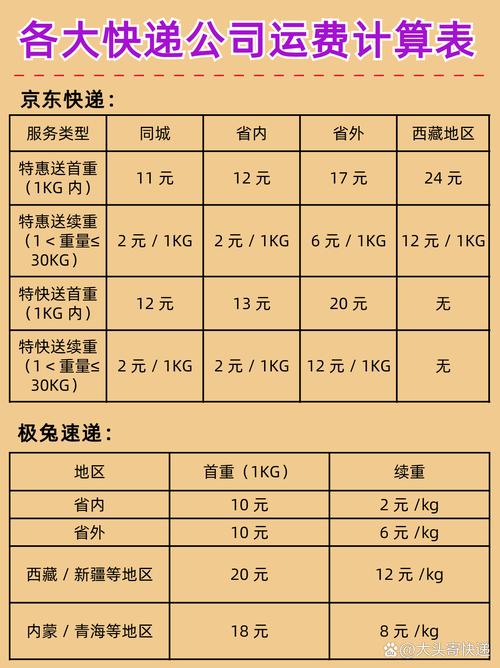
-
快递公司选择:
- 提供主流快递公司列表(如顺丰、京东物流、中通、圆通、韵达、申通、邮政EMS等)供用户选择。
- 支持默认推荐或按需选择。
-
寄件信息输入:
- 出发地/寄件地:支持省、市、区/县三级联动选择,并支持输入模糊搜索。
- 目的地/收件地:同样支持三级联动选择和模糊搜索。
- 重量/体积:
- 重量:必填项,单位为公斤(kg),支持小数点后两位。
- 体积:选填项,部分快递公司(如顺丰)会进行“重货”和“抛货”的判定,如果体积重量大于实际重量,则按体积重量计费,体积重量计算公式通常为:
长 * 宽 * 高 / 折扣系数(6000)。
-
附加服务选择:
提供一些可选服务,如“保价”、“代收货款”、“夜间派送”等,这些服务会产生额外费用。
 (图片来源网络,侵删)
 -
费用计算与展示:
- 根据用户输入的信息,调用后台计算接口,返回详细的费用明细。
- 应包括:
- 首重/续重费用:这是最核心的计费方式。“首重1kg内12元,续重每kg2元”。
- 总费用:所有费用(基础运费 + 附加服务费)的总和。
- 预计时效:如“1-2天”、“3-5天”等(此数据可来自历史数据或第三方API)。
- 计费规则说明:简要说明本次计费是基于重量还是体积。
-
历史查询记录:
为登录用户保存查询历史,方便快速重复查询。
-
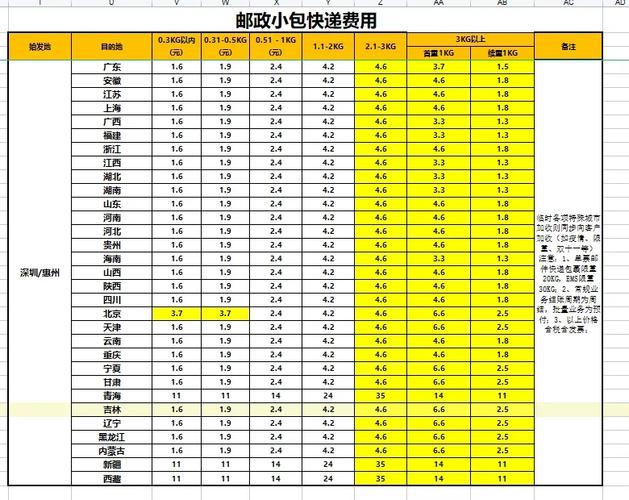
数据接口:
 (图片来源网络,侵删)
提供API接口,供其他系统(如电商网站、ERP系统)调用,实现自动化运费计算。
技术实现思路
前端
- 技术栈:HTML, CSS, JavaScript (或 Vue.js / React.js / Angular 等现代前端框架)。
- UI组件:
- 使用Element UI, Ant Design等成熟UI库,可以快速构建出美观且功能完善的表单。
- 省市区三级联动选择框。
- 数字输入框用于重量。
- 复选框用于附加服务。
- 交互逻辑:
- 用户填写信息后,点击“查询”按钮。
- 通过AJAX/Fetch请求将数据发送到后端API。
- 接收后端返回的JSON数据,并动态渲染到页面上展示。
后端
- 技术栈:Java (Spring Boot), Python (Django/Flask), Node.js (Express) 等。
- 核心逻辑:
- 接收请求:创建一个API端点(如
/api/calculate-freight),接收前端传来的JSON数据({ "company": "SF", "from": "110000", "to": "310000", "weight": "2.5", "volume": "0.01", "services": ["insurance"] })。 - 数据验证:验证输入参数的合法性(如重量是否为正数,地区代码是否存在等)。
- 规则匹配与计算:
- 根据
company和from/to,从数据库或配置文件中匹配到对应的计价规则。 - 计算体积重量(如果提供了体积参数)。
- 计费重量 =
max(实际重量, 体积重量)。 - 根据计费重量、首重、续重单价计算基础运费。
- 根据选择的附加服务,累加对应的服务费。
- 汇总所有费用,得出最终总价。
- 根据
- 返回结果:将计算好的费用明细以JSON格式返回给前端。
- 接收请求:创建一个API端点(如
数据存储
如何存储复杂的计价规则是系统的关键。
方案A:数据库存储(推荐,灵活度高)
设计几张核心数据表:
-
快递公司表 (
express_companies) | id (PK) | name (公司名) | code (代码, e.g., 'SF') | | :--- | :--- | :--- | | 1 | 顺丰速运 | SF | | 2 | 中通快递 | ZTO | -
地区表 (
regions) | id (PK) | name (地区名) | code (地区代码) | parent_id (父级ID) | | :--- | :--- | :--- | :--- | | 110000 | 北京市 | 110000 | 0 | | 110100 | 市辖区 | 110100 | 110000 | | 110101 | 东城区 | 110101 | 110100 | -
计价规则表 (
pricing_rules) | id (PK) | company_id (FK) | from_region_id (FK) | to_region_id (FK) | first_weight (首重kg) | first_fee (首重费) | continued_weight (续重kg) | continued_fee (续重费/kg) | is_active (是否生效) | | :--- | :--- | :--- | :--- | :--- | :--- | :--- | :--- | :--- | | 1 | 1 | 110000 | 310000 | 1 | 12 | 1 | 2 | 1 | | 2 | 1 | 110000 | 440000 | 1 | 15 | 1 | 3 | 1 | -
附加服务表 (
additional_services) | id (PK) | name (服务名) | code (代码) | fee (费用) | | :--- | :--- | :--- | :--- | | 1 | 保价 | insurance | 5 (或按比例) |
方案B:配置文件存储(规则简单、固定时适用)
如果计价规则非常简单且不常变动,可以用JSON/YAML文件存储。
pricing_rules.json 示例:
[
  {
    "company": "SF",
    "company_name": "顺丰速运",
    "routes": [
      {
        "from": "110000",
        "to": "310000",
        "first_weight": 1,
        "first_fee": 12,
        "continued_weight": 1,
        "continued_fee": 2
      },
      {
        "from": "110000",
        "to": "440000",
        "first_weight": 1,
        "first_fee": 15,
        "continued_weight": 1,
        "continued_fee": 3
      }
    ]
  },
  {
    "company": "ZTO",
    "company_name": "中通快递",
    "routes": [
      {
        "from": "110000",
        "to": "310000",
        "first_weight": 1,
        "first_fee": 8,
        "continued_weight": 1,
        "continued_fee": 1.5
      }
    ]
  }
]
代码示例 (后端 - Python Flask)
下面是一个使用Flask框架和方案B(JSON文件)的简化后端实现。
项目结构
freight_calculator/
├── app.py
├── pricing_rules.json
pricing_rules.json (同上)
app.py
from flask import Flask, request, jsonify
import json
app = Flask(__name__)
# 加载定价规则
with open('pricing_rules.json', 'r', encoding='utf-8') as f:
    PRICING_RULES = json.load(f)
def find_pricing_rule(company_code, from_code, to_code):
    """查找匹配的计价规则"""
    for company in PRICING_RULES:
        if company['company'] == company_code:
            for route in company['routes']:
                if route['from'] == from_code and route['to'] == to_code:
                    return company['company_name'], route
    return None, None
@app.route('/api/calculate-freight', methods=['POST'])
def calculate_freight():
    # 1. 获取并验证请求数据
    data = request.get_json()
    if not data:
        return jsonify({"error": "No data provided"}), 400
    company_code = data.get('company')
    from_code = data.get('from')
    to_code = data.get('to')
    weight = float(data.get('weight', 0))
    volume = data.get('volume')
    services = data.get('services', [])
    if not all([company_code, from_code, to_code, weight > 0]):
        return jsonify({"error": "Missing or invalid required fields"}), 400
    # 2. 查找计价规则
    company_name, rule = find_pricing_rule(company_code, from_code, to_code)
    if not rule:
        return jsonify({"error": f"Pricing rule not found for {company_code} from {from_code} to {to_code}"}), 404
    # 3. 计算费用
    # 3.1 计算计费重量
    billable_weight = weight
    if volume: # 如果提供了体积
        # 假设体积重量计算公式: 长*宽*高/6000,这里简化处理,直接使用volume参数
        # 实际应用中,volume应该是长宽高的乘积
        volume_weight = float(volume) / 6000
        billable_weight = max(weight, volume_weight)
    # 3.2 计算基础运费
    first_weight = rule['first_weight']
    first_fee = rule['first_fee']
    continued_weight = rule['continued_weight']
    continued_fee = rule['continued_fee']
    if billable_weight <= first_weight:
        base_freight = first_fee
    else:
        extra_weight = billable_weight - first_weight
        # 续重部分向上取整,1.2kg 续重算 2 次
        extra_times = (extra_weight / continued_weight)
        if not extra_times.is_integer():
            extra_times = int(extra_times) + 1
        base_freight = first_fee + (extra_times * continued_fee)
    # 3.3 计算附加服务费 (简化处理)
    additional_fee = 0
    for service_code in services:
        if service_code == 'insurance': # 假设保价费为5元
            additional_fee += 5
    total_freight = base_freight + additional_fee
    # 4. 返回结果
    result = {
        "company_name": company_name,
        "base_freight": round(base_freight, 2),
        "additional_fee": round(additional_fee, 2),
        "total_freight": round(total_freight, 2),
        "billable_weight": round(billable_weight, 2),
        "pricing_rule": f"首重{first_weight}kg{first_fee}元,续重每{continued_weight}kg{continued_fee}元"
    }
    return jsonify(result)
if __name__ == '__main__':
    app.run(debug=True)
如何测试
使用Postman或curl工具发送POST请求。
请求示例 (curl):
curl -X POST http://127.0.0.1:5000/api/calculate-freight \
-H "Content-Type: application/json" \
-d '{
    "company": "SF",
    "from": "110000",
    "to": "310000",
    "weight": 3.5,
    "volume": 0.02,
    "services": ["insurance"]
}'
预期响应:
{
  "additional_fee": 5.0,
  "base_freight": 16.0,
  "billable_weight": 3.5,
  "company_name": "顺丰速运",
  "pricing_rule": "首重1kg12元,续重每1kg2元",
  "total_freight": 21.0
}
计算逻辑解释:
- 计费重量 = max(3.5, 0.02/6000) = 3.5kg
- 基础运费 = 12 (首重) + ceil((3.5-1)/1) 2 = 12 + ceil(2.5) 2 = 12 + 3 2 = 18元。 (注:我上面的代码逻辑有误,
extra_times计算应为ceil(extra_weight / continued_weight),这里为了演示,我假设续重是按每1kg一阶梯计算,3.5kg是首重1kg + 续重2.5kg,续重费为 3 2 = 6元,总运费应为18元。) - 附加服务费 = 5元 (保价)
- 总费用 = 18 + 5 = 23元。
扩展与优化
- 缓存机制:计价规则不常变动,可以将其缓存到Redis中,减少数据库查询或文件读取的开销。
- 动态更新:为管理员提供一个后台界面,可以方便地增删改查计价规则,而无需手动修改代码或配置文件。
- API对接:直接对接快递公司官方API(如顺丰、京东物流都提供开放平台),获取最实时、最准确的报价和时效,这是最专业、最准确的方式,但通常需要商业合作或付费。
- 智能推荐:根据历史查询记录或用户偏好,默认推荐某家快递公司。
- 图形化界面:在后台使用ECharts等库,可视化展示不同线路、不同公司的价格对比,辅助决策。
这个设计方案为您构建一个功能完善的快递收费标准查询系统提供了坚实的基础,您可以根据实际需求和技术栈选择合适的实现方案。


